

On a Sunday afternoon in 1941, Harlan Hubbard walked up the steps to an apartment building on Clifton Avenue in Cincinnati, Ohio. Tucked beneath his arm was César Franck’s Violin Sonata in A Major. In his sweating palm he clutched a violin case. He was there at the surprisingly forward invitation of a beautiful librarian he befriended at Fine Arts Department’s reference desk in the Cincinnati Public Library.
The librarian, Anna Eikenhout, thought they might play music well together. More than forty years after that first afternoon, Harlan would say about his wife: “Anna was a wonderful accompanist. […] She never lost her place, and she never lost me.” For the duration of their courtship and marriage, Harlan and Anna found a mutual love-language in playing music together. Making music was a defining characteristic of their relationship.
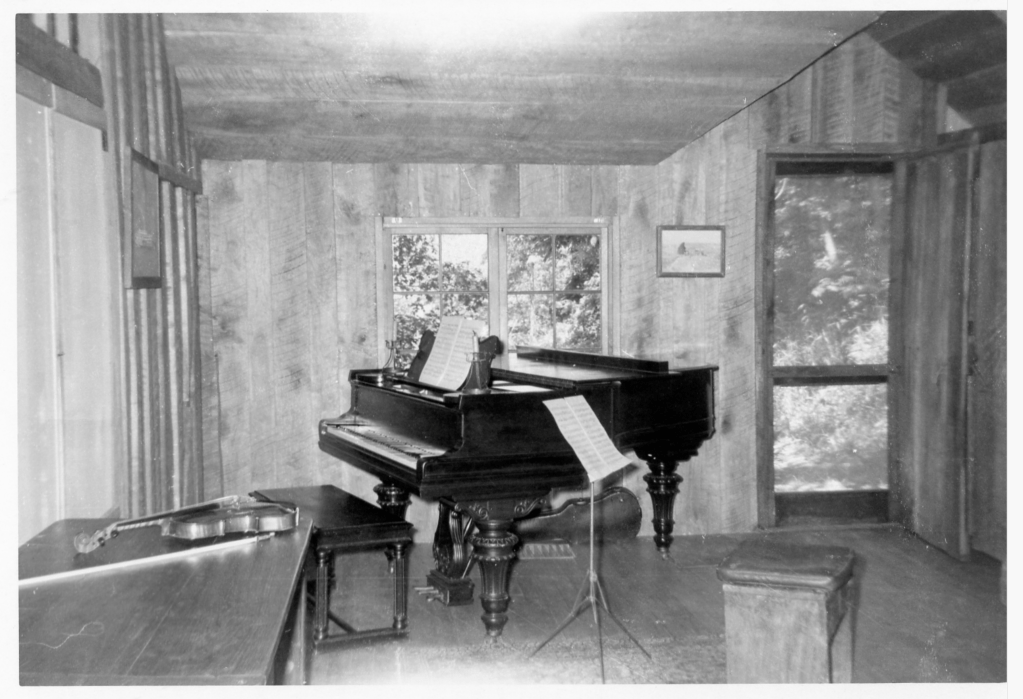
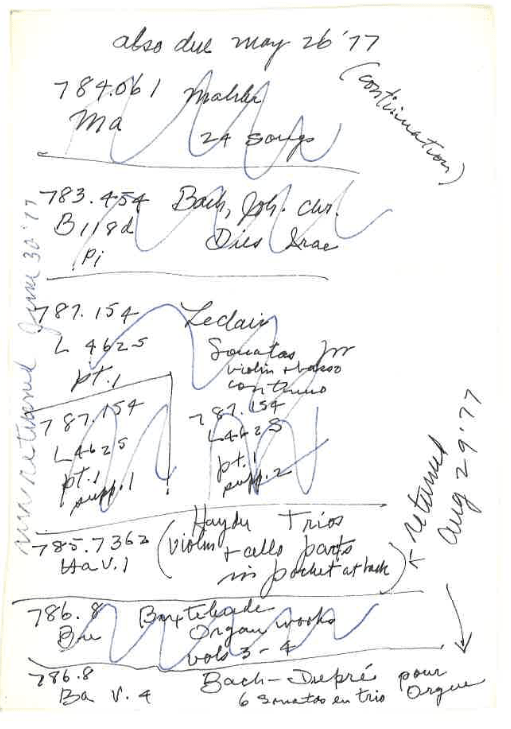
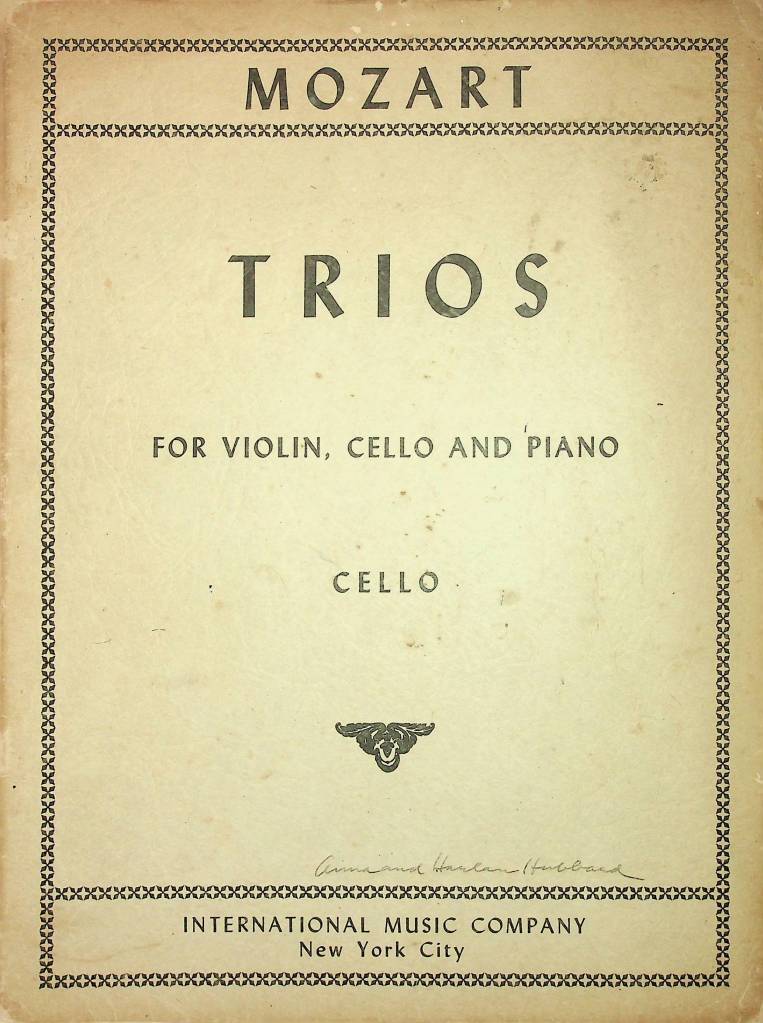
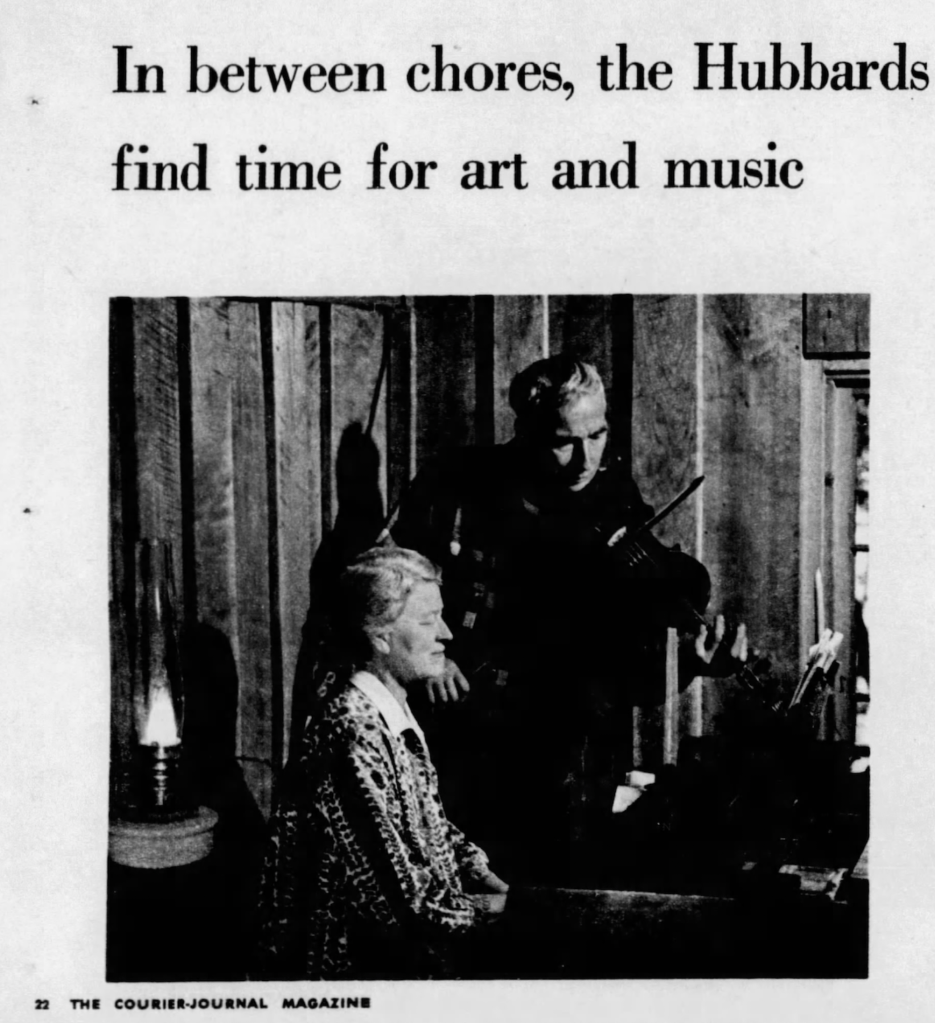
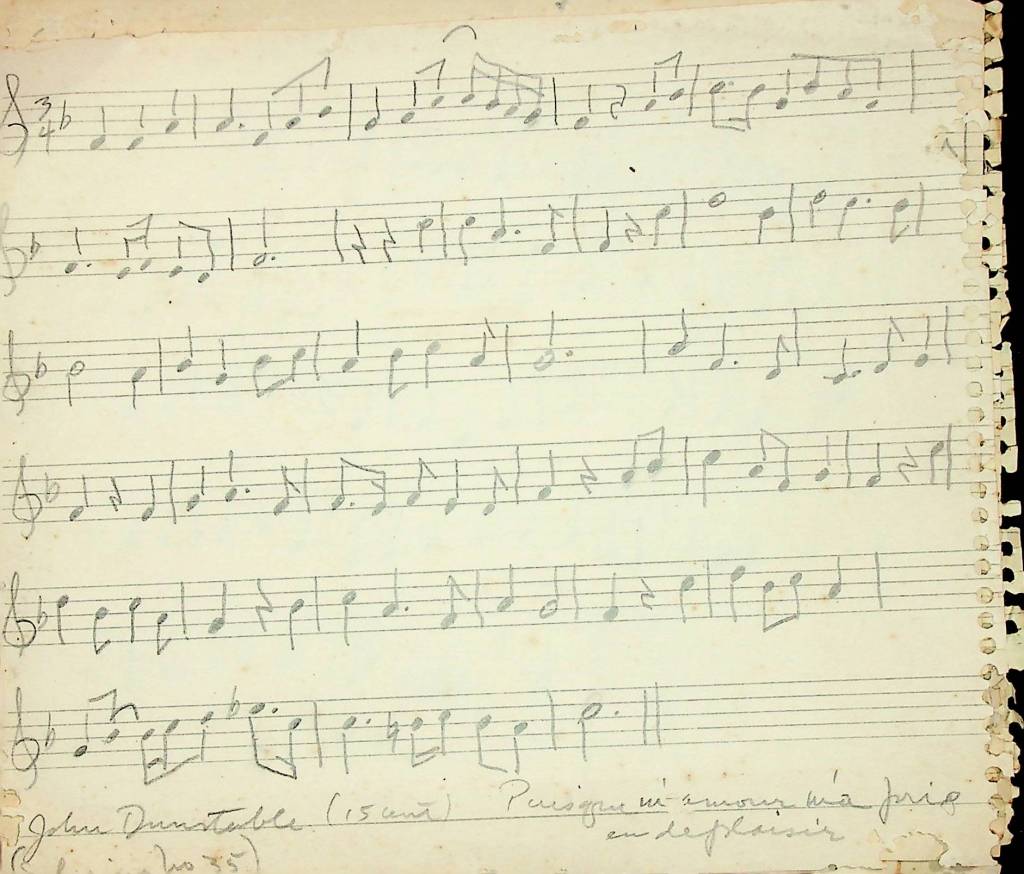
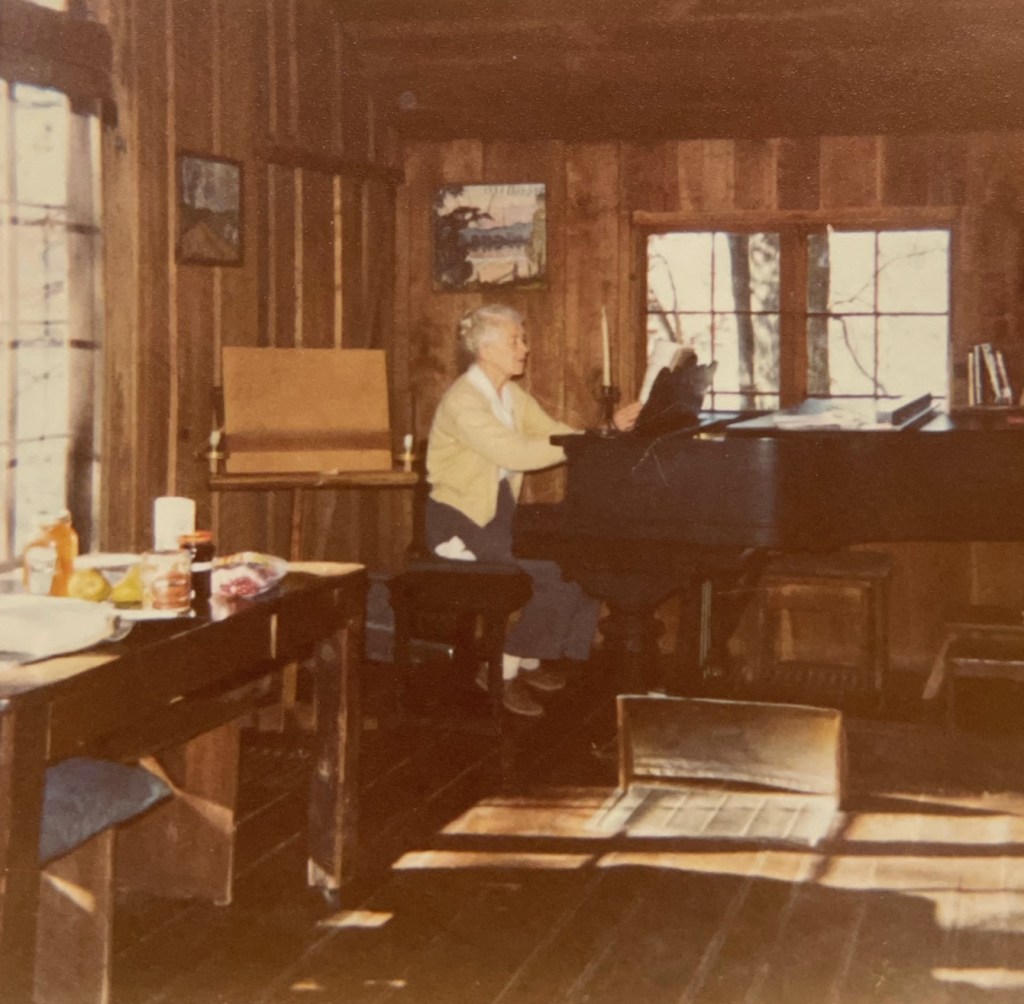
In honor of this beautiful legacy of Harlan and Anna Hubbard’s music-making, and to accompany the upcoming release of Driftwood: The Life of Harlan Hubbard in February 2025, composer Daniel Gilliam is writing a new piece of classical music: Piano Trio No. 2: “Payne Hollow.” I asked him a few questions about the upcoming premiere.
JESSICA:
What first attracted you to the story of Harlan and Anna Hubbard? Is there something in particular that speaks to you as a composer?
DANIEL:
I was initially fascinated with their life on a shantyboat. It seemed like an impossible feat through the lens of a 21st century, smart-phone laden lifestyle we all live. Albeit, they lived in the mid-twentieth century, with far less technology, but still. When I learned through you (Jessica) that they also played instruments, my mind started imagining what that could have sounded like, felt like, looked like.
JESSICA:
How does your approach to this work compare to other compositions? Is there a thematic thread connecting this piece to older works?
DANIEL:
Music is almost always abstract (unless there are words, like in a song or opera). The feelings, mood, or emotions are largely suggested by the composer. If I tell you this piece is about rain or tart apples, that’s what you’ll likely think of when hearing my music.
In this second piano trio (which is, by the way, for violin, cello, and piano — not three pianos — a common, and easily understandable misunderstanding), the large structure is: four movements, each representing the seasons.
Each season/movement takes on the character of some of Harlan’s diary entries from that time of year (his diary entries were compiled in this same seasonal structure by editor Don Wallis): a mention of a particular activity, observation, chore, or music played at Payne Hollow may steer the sound or texture of that particular movement.
Part of my style or artistic preoccupation is weaving through my own tapestry, quotes of music from the past — a hazy memory, dream, allusion. Since the Hubbards were musicians, and enjoyed reading Beethoven and Mozart, these composers find their way into this trio, like silver threads shimmering within forest green, chestnut, and russet cloths.
JESSICA:
What have you been listening to or reading in preparation for the composition?
DANIEL:
Other than reading Hubbard and about Hubbard, I’ve been thumbing through The Watercolors of Harlan Hubbard, and absorbing his art. Again, music is too abstract to “depict” the watercolors, but there are ways in which Harlan’s work might find its way into this music.
The outward simplicity of Harlan’s art disguises a deliberate, rich underpinning. In the same way the Hubbards’ “simple” life was in fact highly complex and challenging, in order to survive without modern living conveniences that would have been available to them.
JESSICA:
Can you tell us a little about the ensemble of musicians who will be premiering the piece in February?
DANIEL:
NouLou Chamber Players is a Louisville-based collective of musicians who play in the Louisville Orchestra, teach at U of L and privately, and are generally lovely people.
Heather Thomas plays violin, Cecilia Huerta-Lauf plays cello and is also the artistic director and one of the founders or NouLou, and pianist and composer Sebastian Chang will join for this premiere.
JESSICA:
What do you hope people will be feeling when they listen to the premiere?
DANIEL:
I always hope that each person listening to my music finds their own way in and around my work, be it through imagination, curiosity, or something else entirely (disdain? affection?), and if I’m lucky they’ll remember a thing or two.
JESSICA:
How has the experience of writing this work transformed the way you feel about the Hubbards?
DANIEL:
The Hubbards’ vision of living and working on their own terms is a challenge to us all. And to artists like myself, making our art on our own terms and not those prescribed or expected. Being counter cultural isn’t avant garde or conservative, it’s about recognizing the pull and inclination towards your own voice, leaving aside the external forces of acceptance, conformity, mediocrity, and fame.
You can support the commission of Daniel’s Piano Trio No. 2: “Payne Hollow” by donating to the project via Fractured Atlas, or by requesting more information through my Contact page. Every little bit helps!
The premiere will take place at the Filson Historical Society during the book launch for Driftwood: The Life of Harlan Hubbard, sponsored by University Press of Kentucky.
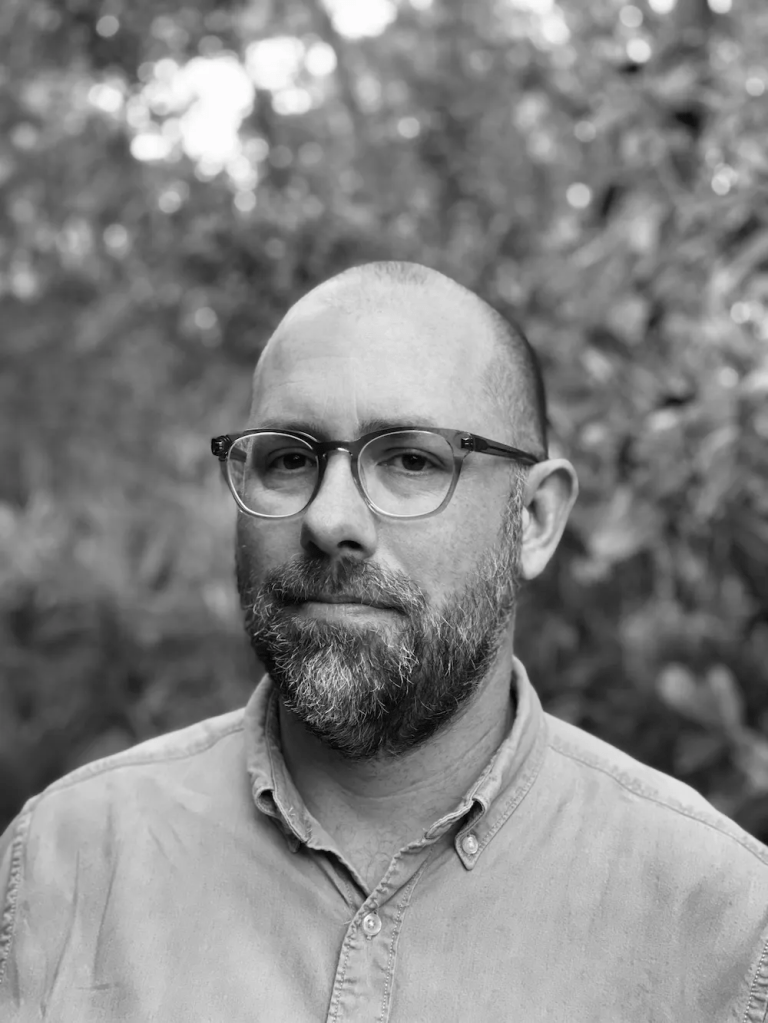
Daniel Gilliam is a composer from Louisville, KY. He was an associate composer in 2020 at the Atlantic Center for Arts working with Jennifer Higdon, and was a resident at Copland House in 2017. Gilliam has been commissioned, performed by & collaborated with the NouLou Chamber Players, the Louisville Orchestra, Kentucky Shakespeare, Louisville Ballet, Kentucky Governor’s School for the Arts, pianist Lara Downes, among other ensembles and performers. Most recently, his “Suite for Ten Instruments” was premiered by NouLou Chamber Players at Oxmoor Farm, and excerpts from “Variations” were used in the Louisville Ballet’s latest Choreographers Showcase. He is also the program director, and an announcer, on 90.5 WUOL Classical Louisville.


 DRIFTWOOD
Leave a reply to A Q&A with writer and curator Jessica K. Whitehead – Fictive Music Cancel reply